
In the fast-paced world of digital marketing, content is king. But what happens when that content becomes a chaotic kingdom with no structure or organization? Uncategorized content represents one of the most overlooked challenges facing marketing teams today, silently undermining efficiency, search visibility, and user experience.
What Is Uncategorized Content?
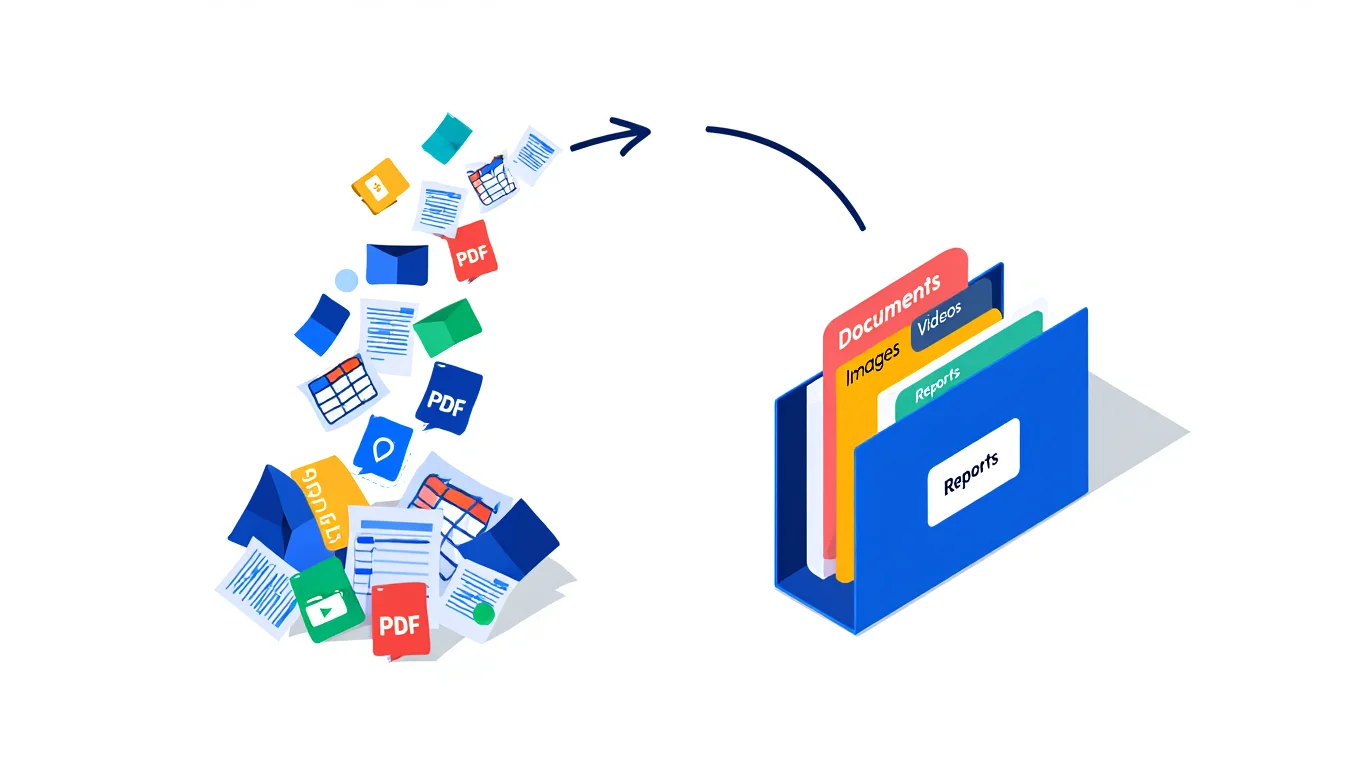
Uncategorized content refers to digital assets, blog posts, images, videos, product pages, and other materials, that haven't been properly tagged, labeled, or organized within a content management system. It's the digital equivalent of throwing papers into a filing cabinet without folders. While the content exists and may even be valuable, its lack of categorization makes it difficult to find, manage, and leverage effectively.
This problem often emerges gradually. A rushed blog post goes live without proper tags. A social media image gets uploaded without metadata. An email template sits in a miscellaneous folder. Over months and years, these small oversights accumulate into a significant organizational crisis that impacts every aspect of digital marketing operations.
The Real Impact on Marketing Performance
The consequences of uncategorized content extend far beyond simple disorganization. From an SEO perspective, search engines rely on clear content structure and internal linking to understand website architecture. When content lacks proper categorization, it becomes isolated, reducing its visibility in search results and limiting its ability to drive organic traffic.
User experience suffers equally. Visitors navigating a website expect logical content groupings and intuitive pathways to related information. Uncategorized content creates dead ends and frustrating journeys that increase bounce rates and decrease engagement. When users can't easily find what they're looking for, they leave, often for a competitor's better-organized site.
For marketing teams, the productivity drain is substantial. Content creators waste valuable time searching for existing assets, often recreating materials that already exist somewhere in the system. Campaign managers struggle to identify relevant content for promotions. Analytics become unreliable when content can't be properly tracked by category, making it nearly impossible to understand what types of content perform best.
Common Causes and Warning Signs
Uncategorized content typically stems from a few key issues. Rapid content production without established governance creates chaos when speed is prioritized over structure. Team turnover means new members may not understand or follow existing categorization systems. Sometimes, the taxonomy itself is poorly designed, making it unclear where specific content should live.
Warning signs include duplicate content creation, difficulty finding specific assets, inconsistent user navigation paths, and analytics reports that show large volumes of traffic to uncategorized or miscellaneous sections. If your content audit reveals significant orphaned pages with no clear category home, you're facing an uncategorized content problem.
Solutions and Best Practices
Addressing uncategorized content requires both immediate remediation and long-term prevention strategies. Start with a comprehensive content audit to identify all uncategorized materials. Develop or refine your content taxonomy to ensure it's logical, scalable, and aligned with both user needs and business goals. This might include hierarchical categories, topic tags, content types, buyer journey stages, and product or service associations.
Implement clear governance policies that make categorization mandatory before content publication. Content management systems should require creators to assign at least one category and relevant tags before hitting publish. Regular training ensures all team members understand the categorization system and its importance.
Leverage automation where possible. Modern CMS platforms and AI tools can suggest categories based on content analysis, though human review remains essential for accuracy. Schedule quarterly content audits to catch and correct miscategorization before it becomes overwhelming.
The Path Forward
Uncategorized content may seem like a minor housekeeping issue, but it fundamentally undermines digital marketing effectiveness. The good news is that with commitment and systematic approach, organizations can transform their content chaos into strategic assets that drive measurable results.
By treating content organization as a core component of your marketing strategy rather than an afterthought, you create a foundation for better user experiences, improved search visibility, and more efficient team operations. In an increasingly competitive digital landscape, that organizational advantage can make all the difference.